
Speak Green with Confidence: Crafting a Resonant Tone of Voice for Home Decor
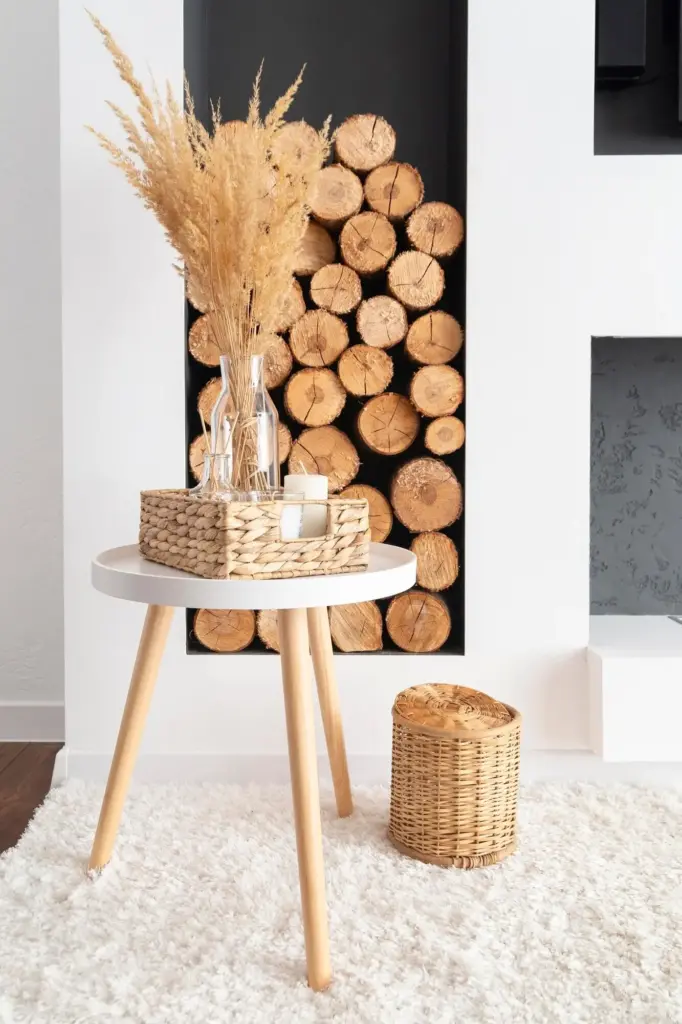
Today we dive into tone of voice for green home decor marketing, translating sustainability, comfort, and design integrity into language that wins hearts without hype. Expect practical frameworks, living examples, and brand-friendly habits that keep messaging consistent across product pages, emails, social captions, packaging, and support, while honoring transparency, craftsmanship, and the everyday rituals that make a house feel beautifully responsible.

Voice Pillars with Real-World Behaviors

Shape four memorable pillars—Warmth, Proof, Clarity, Contemporary Calm—and translate them into actions. Warmth uses inclusive phrasing and avoids guilt. Proof cites certifications and sources plainly. Clarity cuts jargon, provides comparisons, and names trade-offs. Contemporary Calm favors spacious phrasing and sensory details, helping readers picture textures, airflow, and color harmony without pressure or preachiness.

Audience Lens and Emotional Jobs

Picture eco-curious renters, first-time homeowners, and seasoned renovators. Each needs language that reduces risk while preserving delight. Speak to their emotional jobs: making rooms safer for kids, easing allergies, honoring aesthetics, and controlling costs. Use empathy-led phrasing, acknowledge constraints honestly, and always explain why choices matter in daily routines like cleaning, lounging, sleeping, and welcoming guests.

Words That Grow Trust, Not Guilt

Preferred Vocabulary and Cadence

Choose words that anchor reality: certified wood, low-VOC finish, linen weave, recycled glass, repairable hardware, modular parts, refillable cleaner. Write with measured cadence: short sentence, medium sentence, clarifying detail. Let commas create calm, not clutter. Invite touch and light by describing texture, air, and quiet. End with a clear next step that respects attention.

Phrases to Rethink or Retire

Steer away from moralizing lines like “If you care, you’ll choose this,” and vague claims such as “environmentally safe” without context. Replace with quiet, verifiable specifics: “FSC-certified oak,” “produced with 30% less water than our 2022 model,” “finish tested for low emissions.” Precision shifts conversations from debate to understanding and keeps your reputation steady during scrutiny.

Microcopy That Smiles Back

Small moments make the brand memorable: “Ships snug in recycled paper, no plastic confetti.” “Care: a quick wipe, then let the grain breathe.” “Swap a part, not the whole piece.” Microcopy can soften complex logistics, reassure anxious buyers, and celebrate simple wins, turning every label, button, and tooltip into a tiny act of kindness and clarity.

Stories That Feel Like Coming Home

Narrative is where values become visible furniture. Instead of preaching, show the journey: how a lamp’s shade reduces glare without wasting material, how a rug’s dye respects waterways, how packaging invites a second life. Use characters—makers, testers, neighbors, and pets—to carry details. A story that fits a living room will fit a memory and prompt a purchase.

Origin Tales with Craft and Context

Introduce makers by name, then ground their craft in place and process. Describe the summer heat inside the kiln, the quiet patience of hand-brushed limewash, the first prototype that wobbled, and the fix that held. Show humor, humility, and iteration. The more human the path, the easier it is for customers to celebrate the result honestly.

Materials with a Gentle Arc

Let materials speak through scenes: airflow through linen curtains, a palm resting on cool recycled glass, the muted scent of a low-VOC finish after an afternoon airing. Add lifecycle clarity—source, transport, use, repair, and eventual recycling. Ground romance with numbers so beauty feels earned, not invented, and readers can retell the details with confidence.

Channel Consistency with Character

Clarity, Compliance, and Credibility

A strong voice safeguards itself by making claims verifiable, understandable, and easy to audit as the catalog evolves. Build a shared glossary, a claims library, and a sign-off checklist. Partner early with legal and sustainability teams. When errors happen, apologize plainly, correct public assets quickly, and explain the fix. Candor today compounds trust tomorrow across channels and seasons.

Claims Library and Evidence Trails

Collect every environmental statement in one place with sources, dates, and owners. Link each product mention to certifications, lab tests, and supplier attestations. Include acceptable phrasing examples and risky phrasings to avoid. Keep version history visible so marketers, designers, and support can align, ensuring customers hear one steady, verifiable story from ad to unboxing.

Plain-Language Labels and Icons

Replace vague badges with icons tied to real definitions: recycled content percentage, repairable design, low emissions, responsible wood, water-saving dye. Under each, add a sentence that clarifies what the icon proves and any trade-offs. This reduces confusion, eases comparison shopping, and gives retail staff and customer service an effortless script that teaches without lecturing.

Collect Home Stories with Purpose

Ask for short notes about mornings, messes, pets, and parties. Prompt with specific questions: how the lamp softened headaches, how the rug eased allergies, how the shelf survived a toddler’s kingdom. Curate with consent, credit generously, and pair each story with a small care tip so readers leave inspired and equipped, not just entertained by pretty rooms.

UGC Guidelines That Protect Dignity

Offer clear boundaries: inclusive language, respectful critiques, and honest disclosures for affiliates or gifted items. Provide lighting and framing tips to avoid excessive retouching. Share a checklist for material mentions so sustainability details stay accurate. Celebrate diverse homes—tiny, grand, rented, and shared—so contributors feel seen and your library reflects real life rather than staged perfection.
Nolonefuxiravuno
Privacy Overview

This website uses cookies so that we can provide you with the best user experience possible. Cookie information is stored in your browser and performs functions such as recognising you when you return to our website and helping our team to understand which sections of the website you find most interesting and useful.